Disclaimer: This is not a full history of Rhinebeck, see the Museum Shop to see what books we have for sale at the Museum that discuss the history of Rhinebeck in detail.
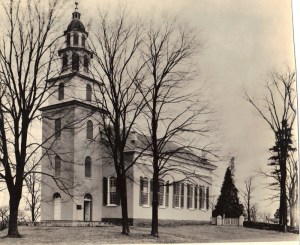
RM.2005.1022 St. Peter’s Lutheran Church (aka Old Stone Church), Route 9, Rhinebeck. Rev. Frederick Quitman was its first minister.
History of the Area Dutch families first settled the land in the Hudson River Valley around 1686. Rhinebeck and its citizens have contributed to the historical wealth of the nation, farming the land, developing the fabric of the community and playing integral roles in wars from the Revolutionary to those of the 20th century.
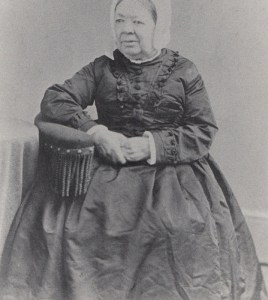
RM.2005.1348 Mary Garrettson, daughter of Rev. Freeborn Garrettson and his wife Catharine Livingston, of Rhinebeck. Mary donated land for the Black section of Rhinebeck Cemetery.
Rynbeck: The First Settlement Henry Beekman, who by royal grant owned most of the present town of Rhinebeck, settled 35 Palatine German families in this area around 1714. Their community, centered around a log church a mile south of the present-day stone edifice, came to be known as Rynbeck. Business was conducted here until the early 19th century. Its importance diminished as growth and commerce in “The Flatts”, the village three miles to the south, eventually overshadowed this entire early settlement. The incorporation of the Village of Rhinebeck took effect in 1834.
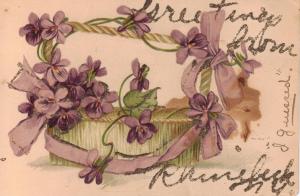
Violet Capital of the World
In the late 19th century, Rhinebeck became the center of the violet growing industry. Violets known for their sweet scent and their many uses were popular the world round throughout history but especially in the late 19th and early 20th century.
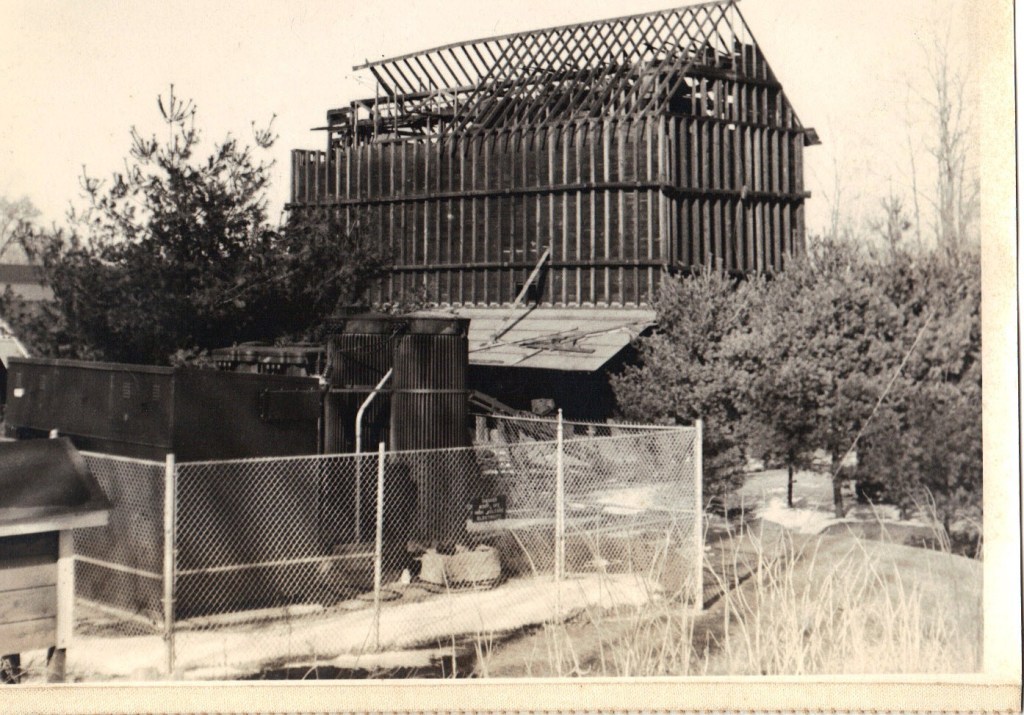
The violet industry started in Poughkeepsie and moved north. Greenhouses for violets could be found at many houses around Rhinebeck along with large scale commercial greenhouse operations. Thousands of violets were shipped around the world from the humble town of Rhinebeck to the point where Rhinebeck was known as the violet capital of the world. The violet industry went bust in the 1920s and many of the greenhouse went dormant or scaled back their operations.
There was a resurgence in the violet industry in the 1930s when Eleanor Roosevelt popularized the wearing of violets once more. The industry went bust again and many greenhouses were taken down over the course of the 20th century. The Museum has adopted the violet as part of it’s logo to represent this history.
Selected Images from the Collections
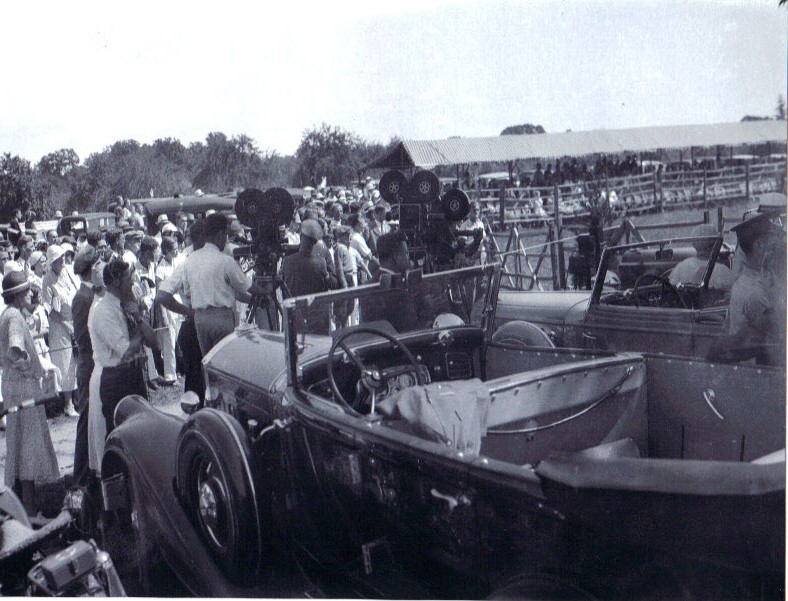
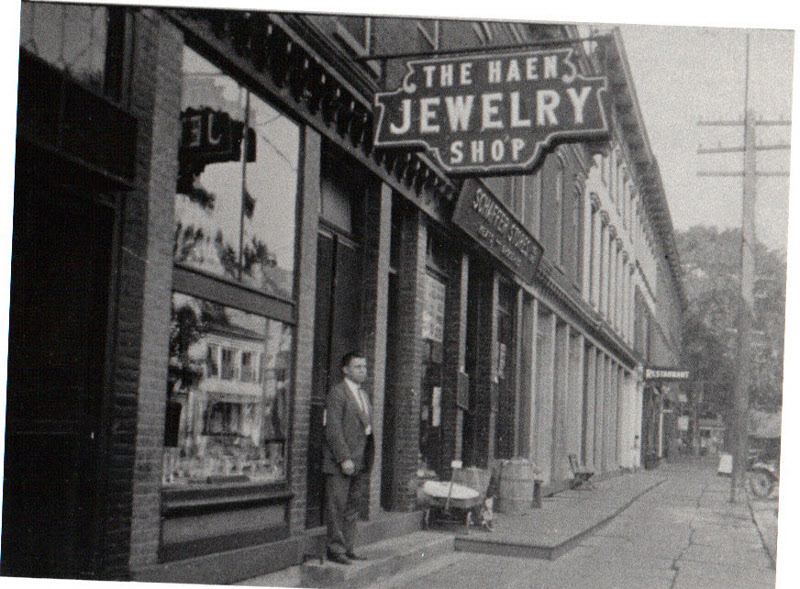
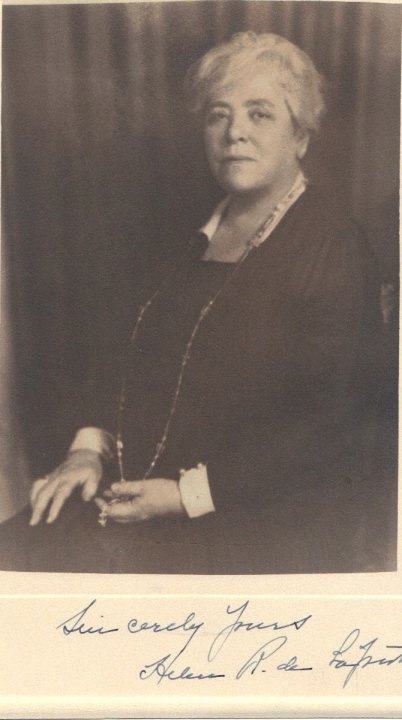
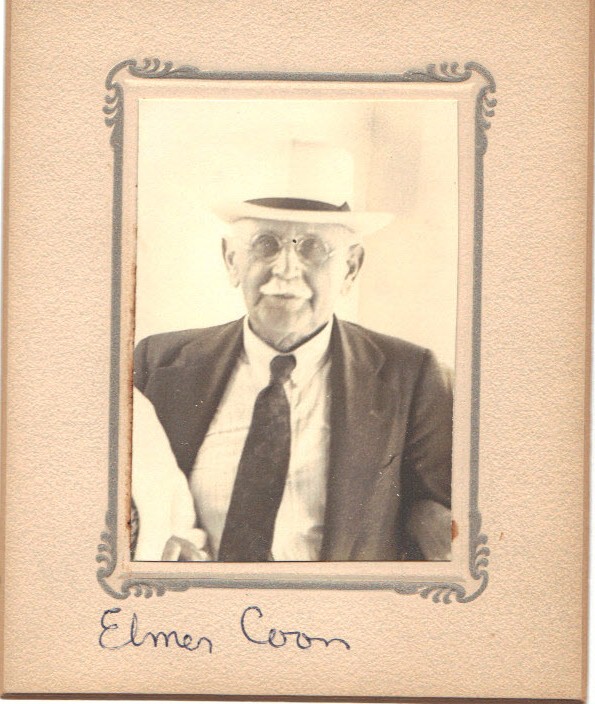
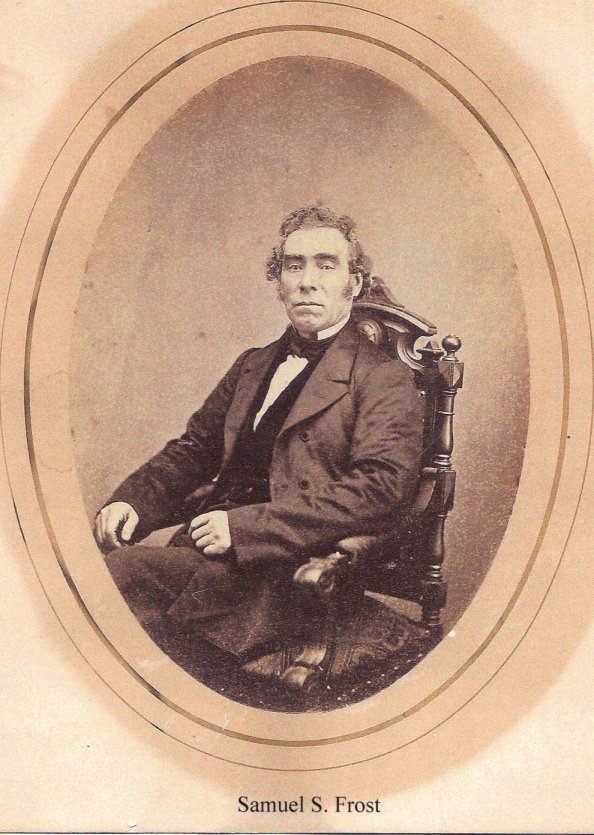
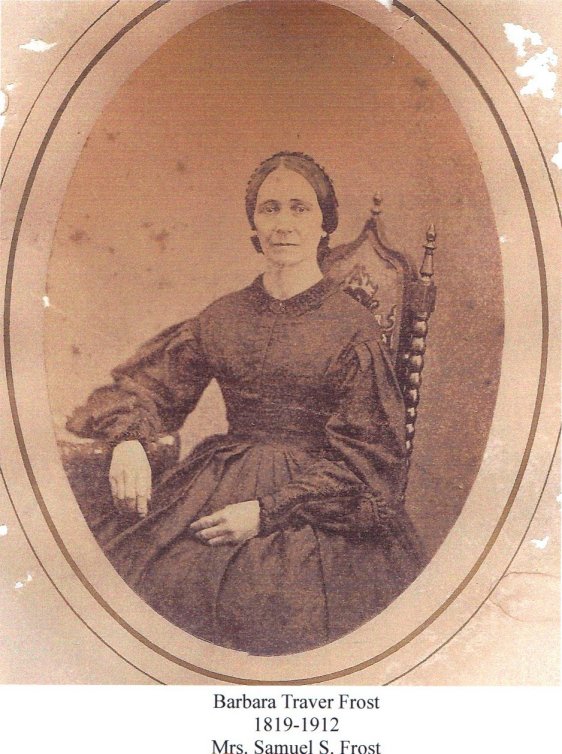
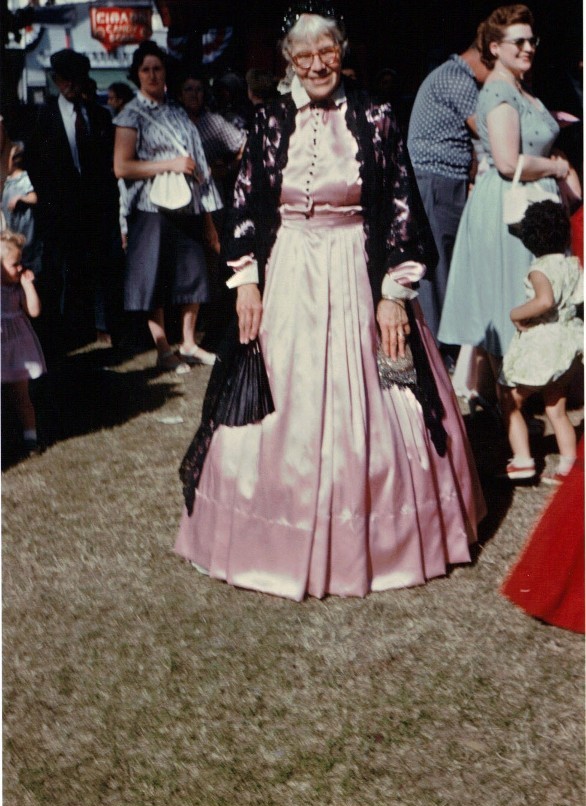
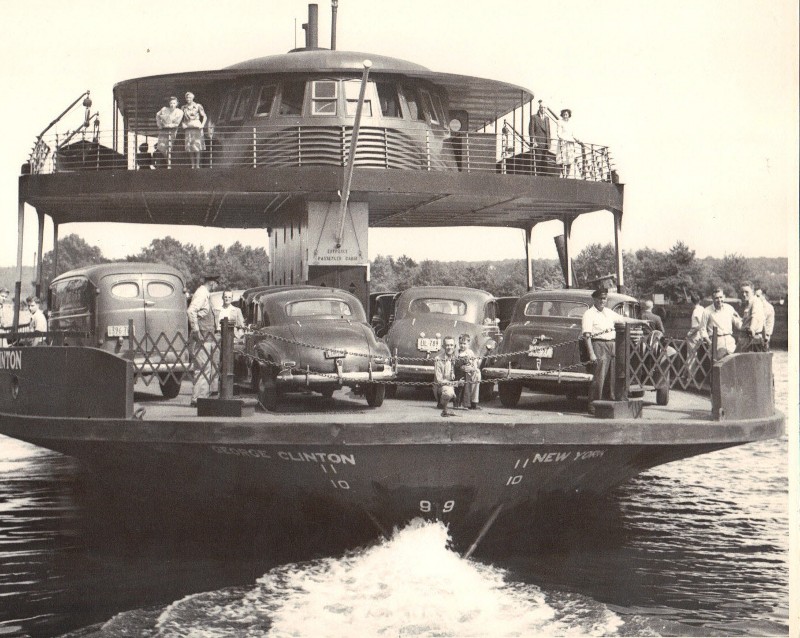
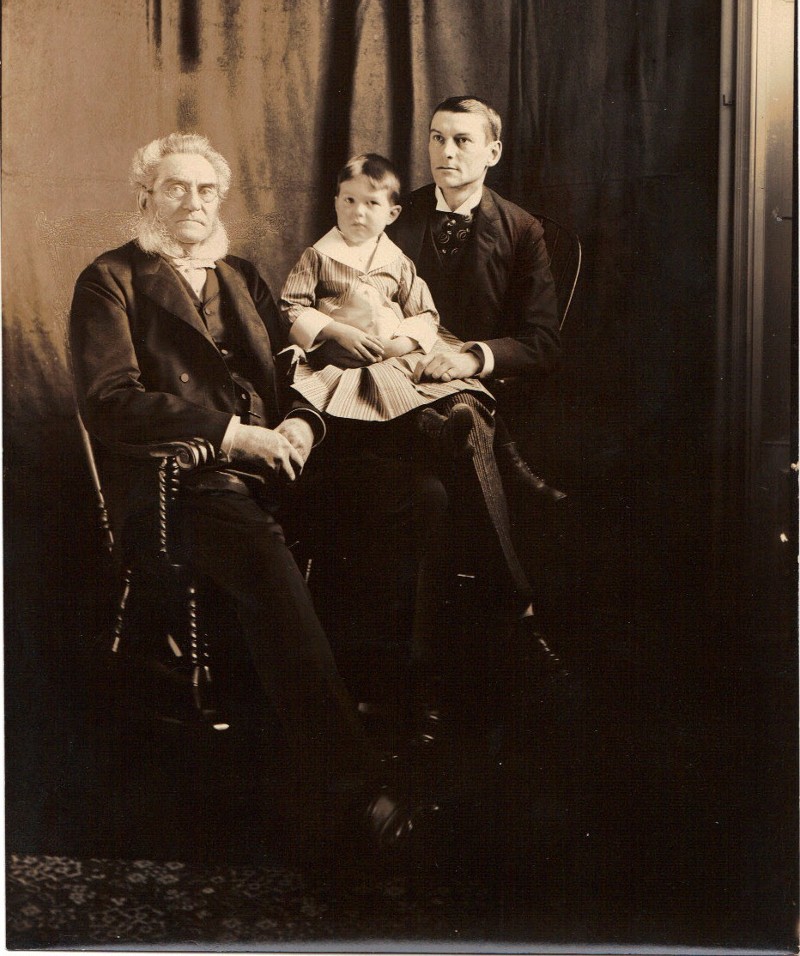
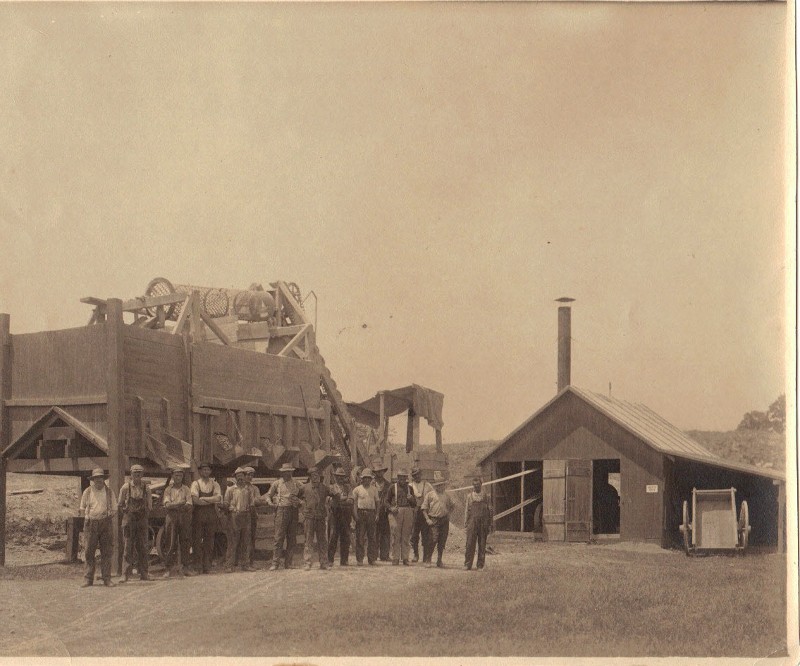
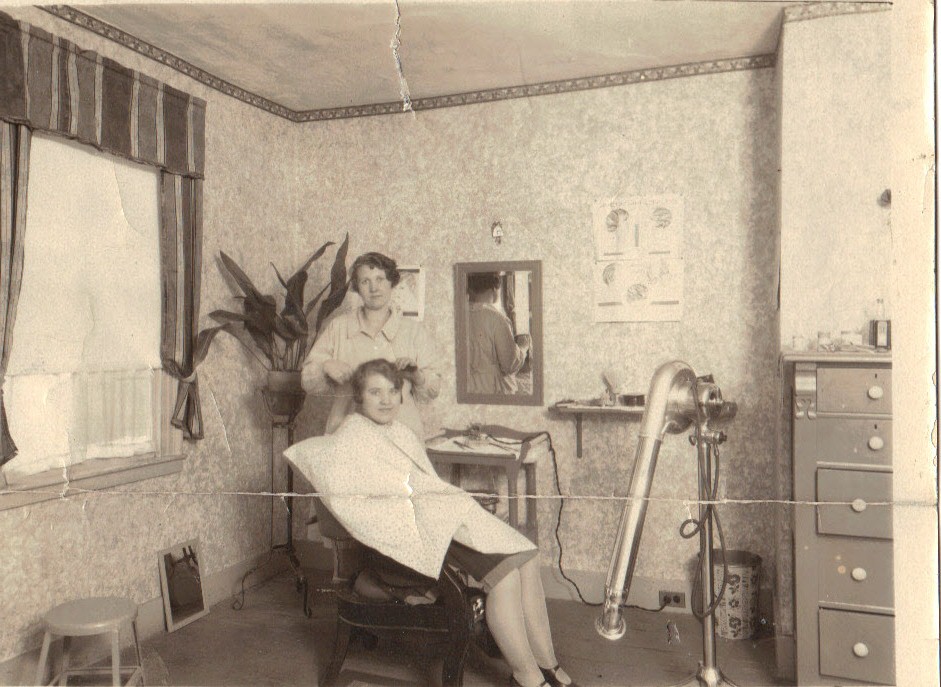
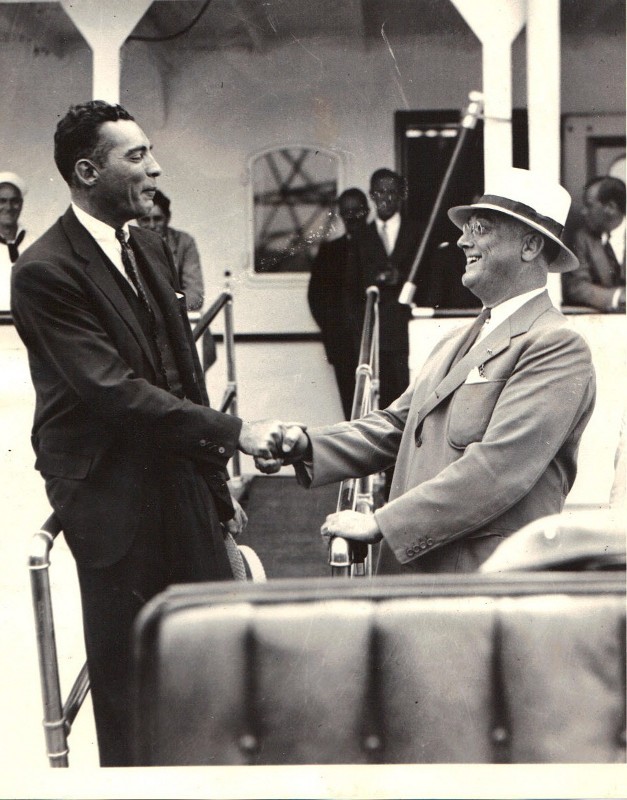
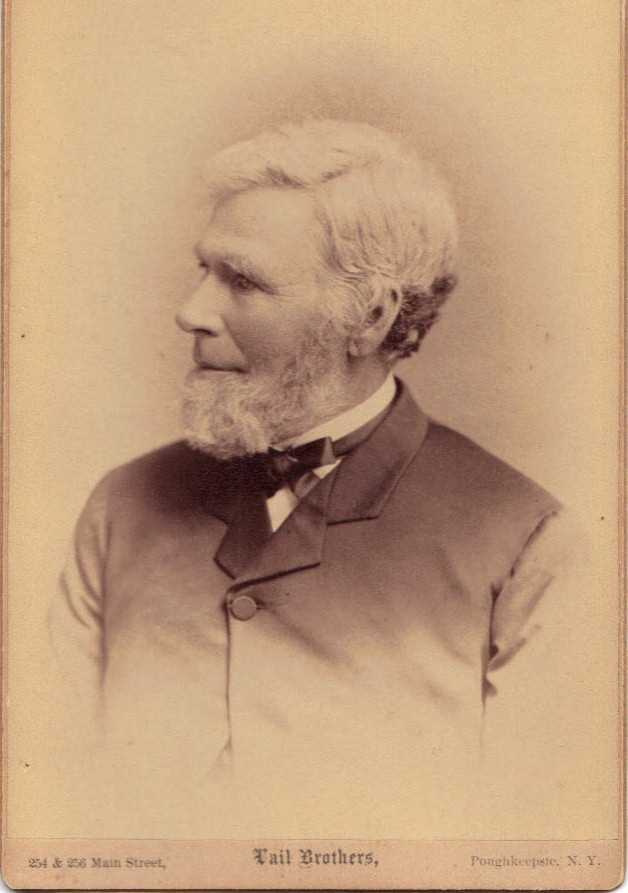
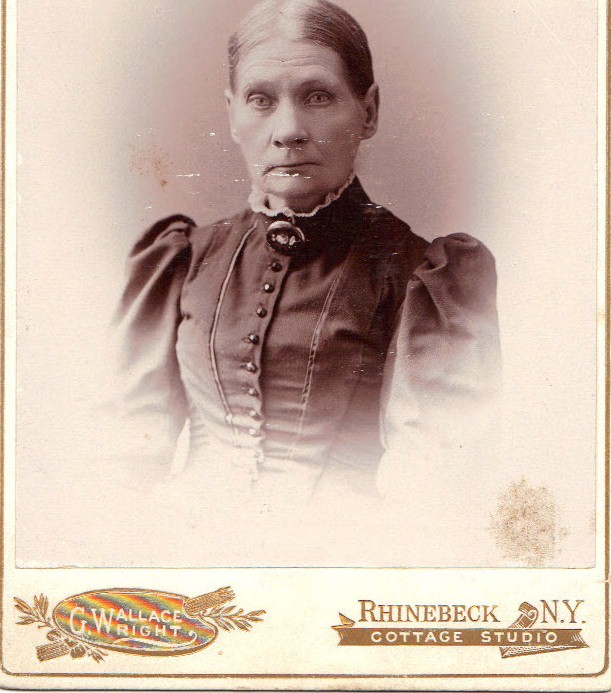
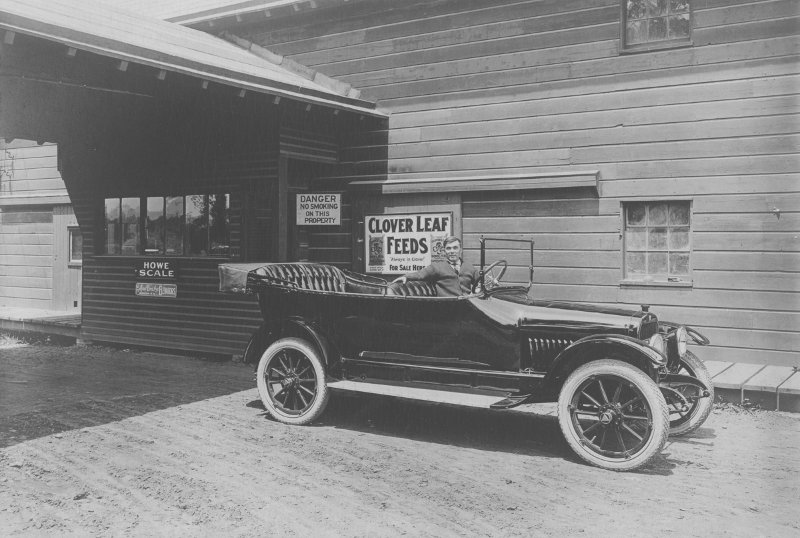
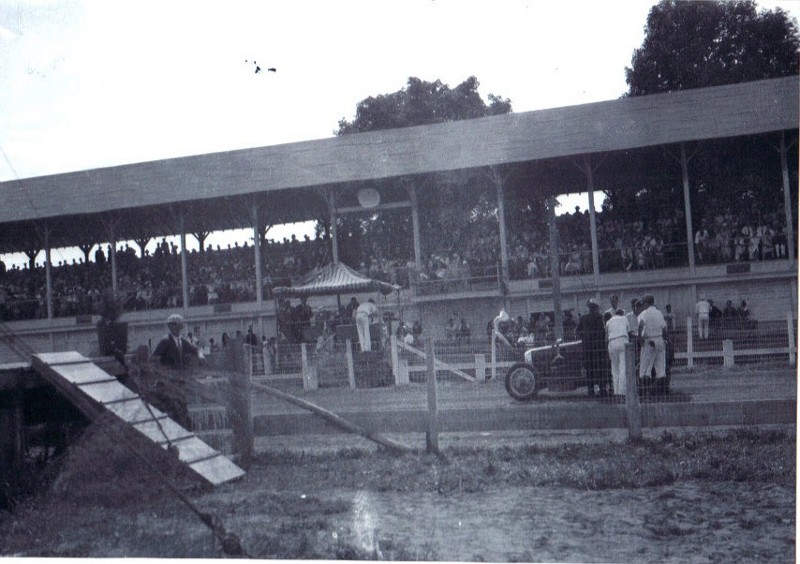
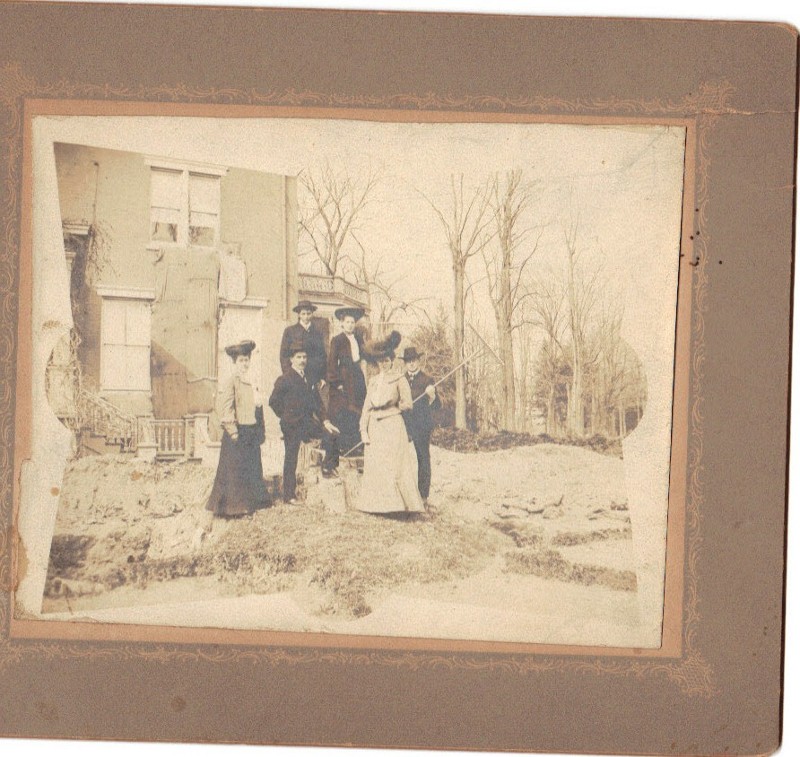
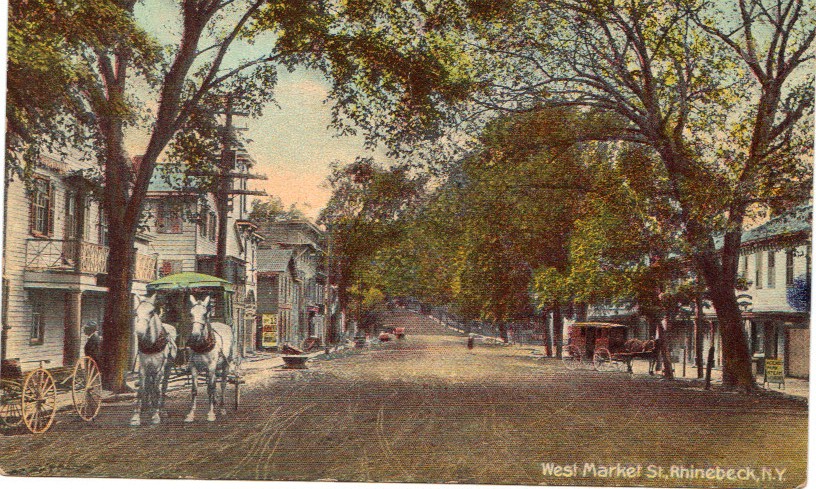
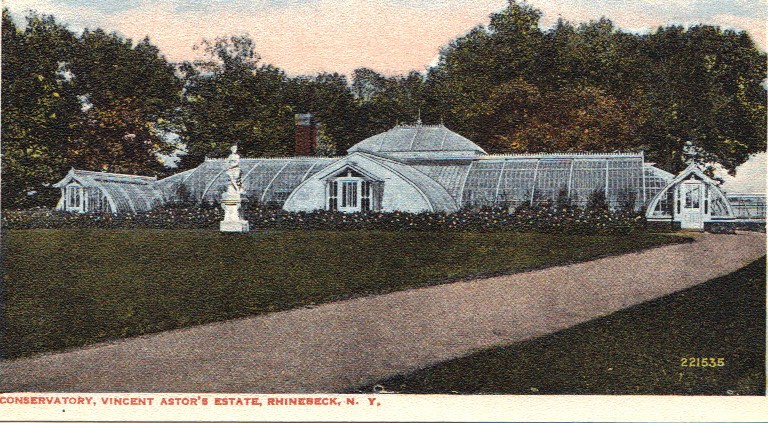
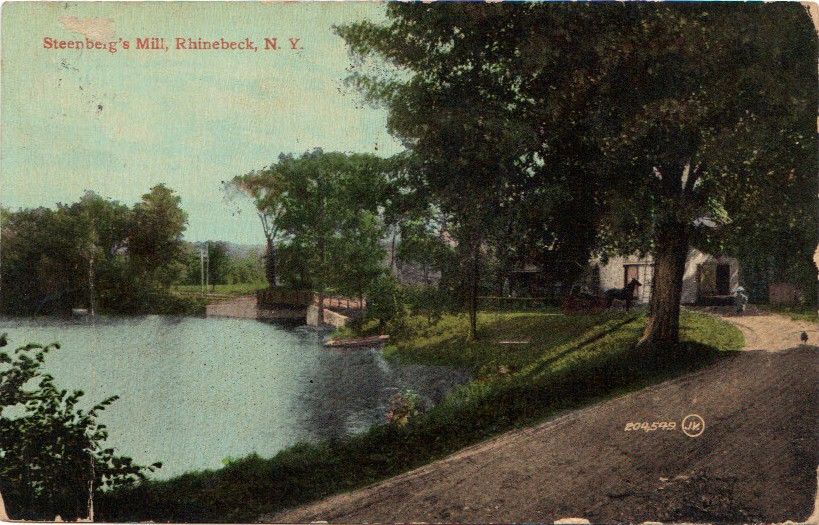
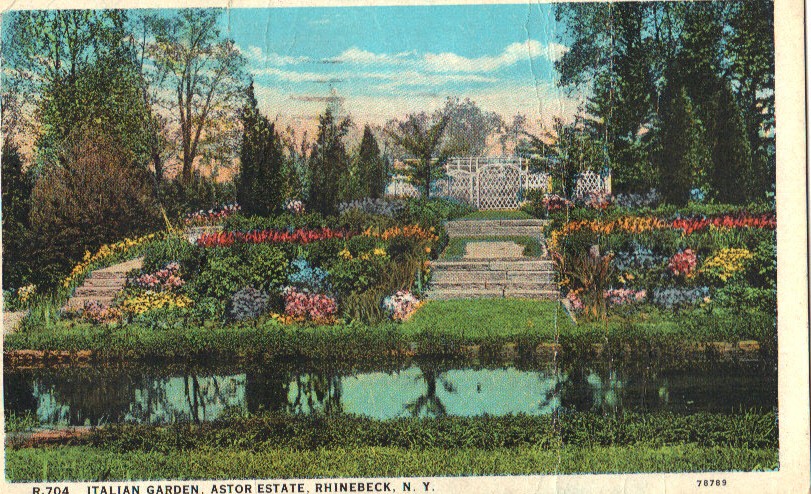
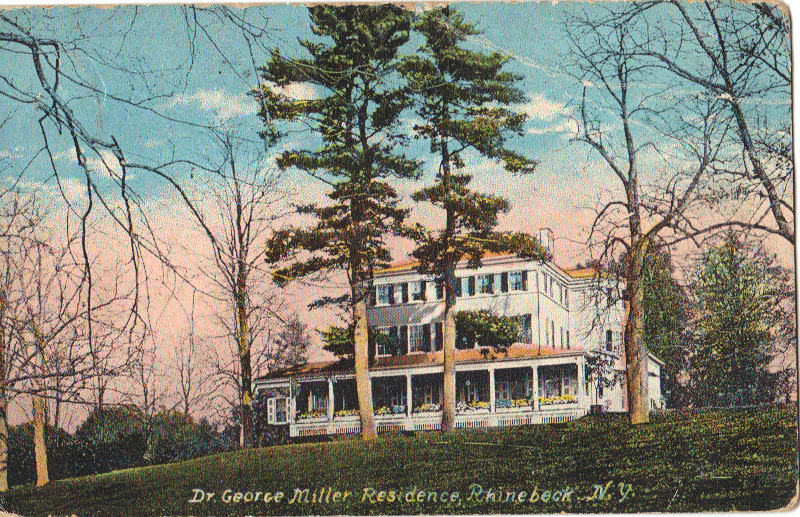
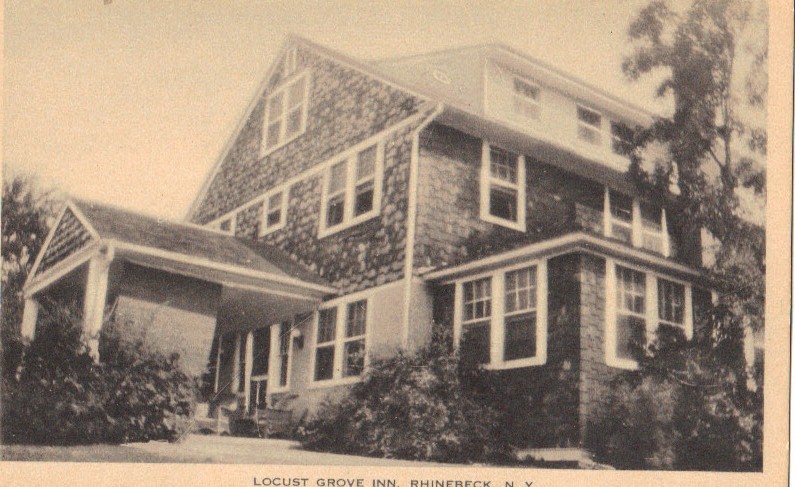
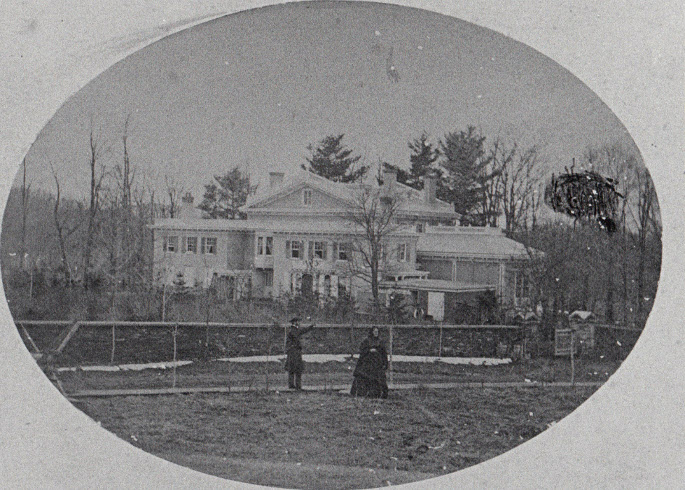
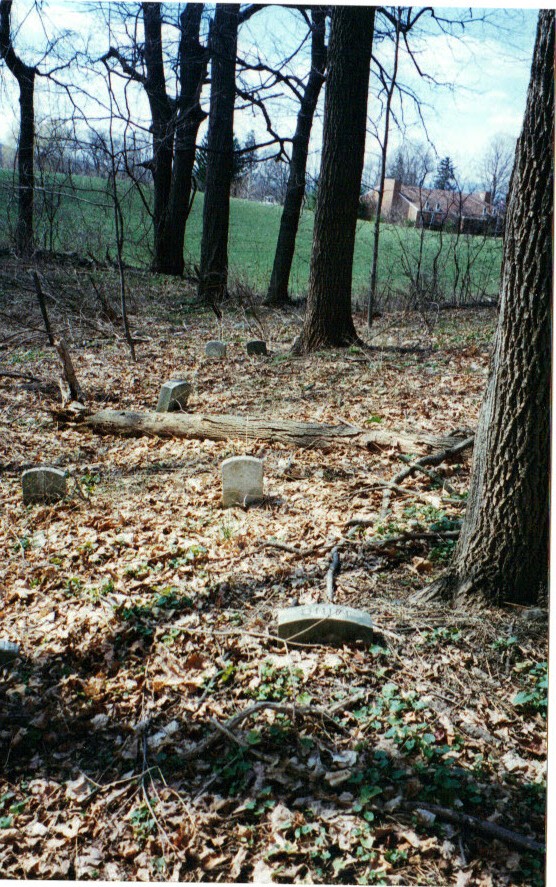
RM.2008.0380 An image of a busy Dutchess County Fairgrounds taken late 1930s-early 1940s.RM.2005.1200 Mr. Arthur C Chet Haen standing in front of the Haen Jewelry Store on East Market Street in RhinebeckRM.1997.0451 Helen Reed DeLaporte – teacher and former student at the DeGarmo Institute, Rhinebeck, NYRM.2000.0128 Elmer Coon, prominent violet grower of RhinebeckRM.2009.0085 Mr. Samuel Frost of Frost Mills, Town of Clinton, NYRM.2009.0086 Mrs. Samuel Frost (nee Barbara Traver) of Rhinebeck, NYRM.2006.0117 Mrs. Harry H. Hill, Sr. (the former Anna Reed) at a Community Day in the 1950s wearing a period outfit.RM.2007.0034 The George Clinton ferryboat that ran between Rondout and Rhinecliff.RM.2006.0184 Three Generations of David Dows taken from a glass negative.RM.2005.0016 Interior of the Fichera Shoe Store on Montgomery Street (Route 9) in Rhinebeck.RM.2005.0919.024 Workers at Flat Rock Quarry just north of Rhinecliff, taken as they worked on the Astor Tunnel. The NY Central Railroad ran right through that tunnel on a regular basis.RM.2008.0268 Interior of Rhinebecks first official beauty parlor — the coiffeur/owner was Elizabeth (nee McKee) ThorsenRM.2005.1106 Vincent Astor bids bon voyage to FDR, as the President is about to embark on Astor’s private yacht for a jaunt. FDR used Astor’s yacht on more than one occasion.William Rutsen Carroll of Rhinebeck, funeral director and cabinet/furniture maker, formerly located on East Market Street in Rhinebeck.RM.2007.0145 The former coal building up at Hog’s Bridge (north end of Montgomery Street) in Rhinebeck as it was being torn down.RM.2007.0041 Mrs. Stephen P. Traver, ancestor of numerous Rhinebeck residents.RM.1997.0435 Rhinebeck entrepreneur /resident John Lown in his then-new car.RM.2008.0377 The old bleachers at the Dutchess County Fairgrounds taken c 1938.RM2007.0397 Members of the Crosby family at their residence, GRASMERE, which is an ancestral Livingston residence on Mill Road in Rhinebeck.RM.2007.0277 Postcard of West Market Street in the village of RhinebeckPostcard of Astor’s Conservatory that was at Ferncliff on River Road in RhinebeckRM.2007.0587 Postcard of Van Steenberg’s Mill and Pond on Mill Road in RhinebeckRM.2007.0504 Postcard of Astor’s Italian Gardens what were at Ferncliff on River Road in RhinebeckRM.2007.0432 Postcard of The Grove, home of Dr. & Mrs. George Miller, still standing, on Miller Road in RhinebeckRM.2001.0121 Postcard of Locust Grove Inn, the home of Mr. & Mrs. Roy Decker in the village of Rhinebeck. A published letter by Mrs. William Saltford mentions this house.Snyder Violets Ink Blotter (2013 Museum calendar cover)RM.2005.1329 The Millers standing in front of their home, the Schuyler ancestral place, The Grove, on Miller Road in Rhinebeck, NY.RM.2011.0125 Wells Pet Cemetery in the village of Rhinebeck, NY



 Museum of Rhinebeck History